 Local delivery available
 Click & collect
 Open 7 days a week
Chris Collins has a CV most gardeners can only dream of, with experience spanning two Royal Botanic Gardens, Westminster Abbey and the Blue Peter Garden. Now Head of Organic Horticulture at Garden Organic, we were delighted to welcome Chris as a guest speaker at one of our recent Millbrook Growers Talks. He shared his inspiring story of growing an organic allotment from scratch - all without the use of pesticides or machinery.
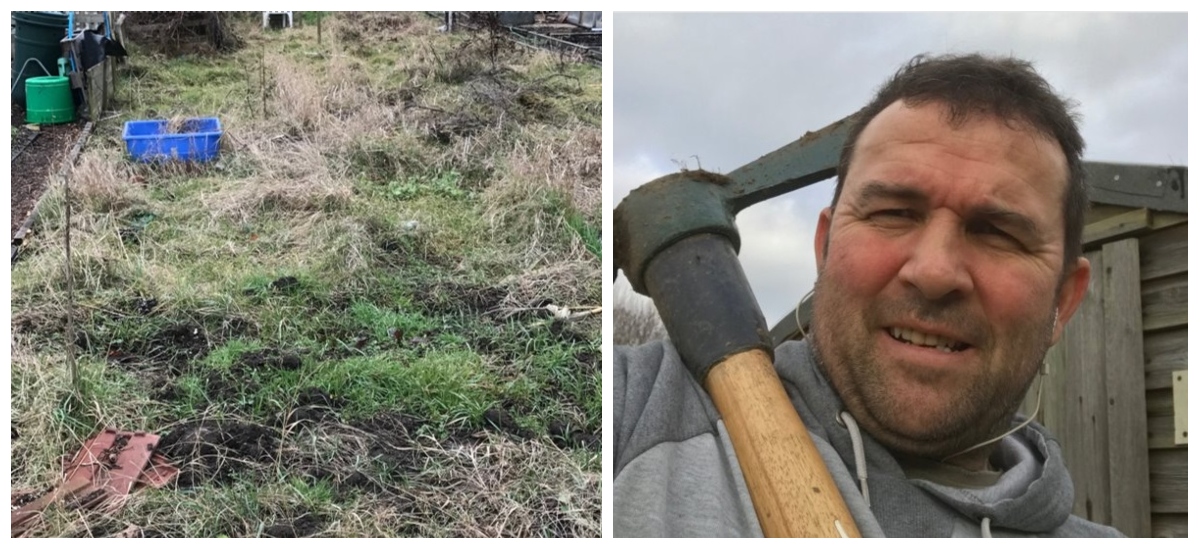
Seven years ago, Chris inherited a neglected allotment that was completely overrun with weeds including horsetail, bindweed, thistle and couch grass. Instead of reaching for chemicals, he decided to take the organic route. For a whole year, he covered the soil with black tarpaulin to naturally suppress weeds and roots. After clearing everything by hand, the magic started to happen.
Inspired by Chris's talk, here is the first of two blogs, packed with tips for starting your own organic garden from scratch.
Getting started
Whether you have a small veg patch or a big allotment, starting an organic garden doesn’t have to be overwhelming.
-
Share the space. Spread the workload by sharing your allotment or vegetable patch with friends or another family.
-
Divide and conquer. For larger spaces, split them into mini plots. At home, start by growing in just half your garden. This makes it easier to manage and helps with crop rotation.
-
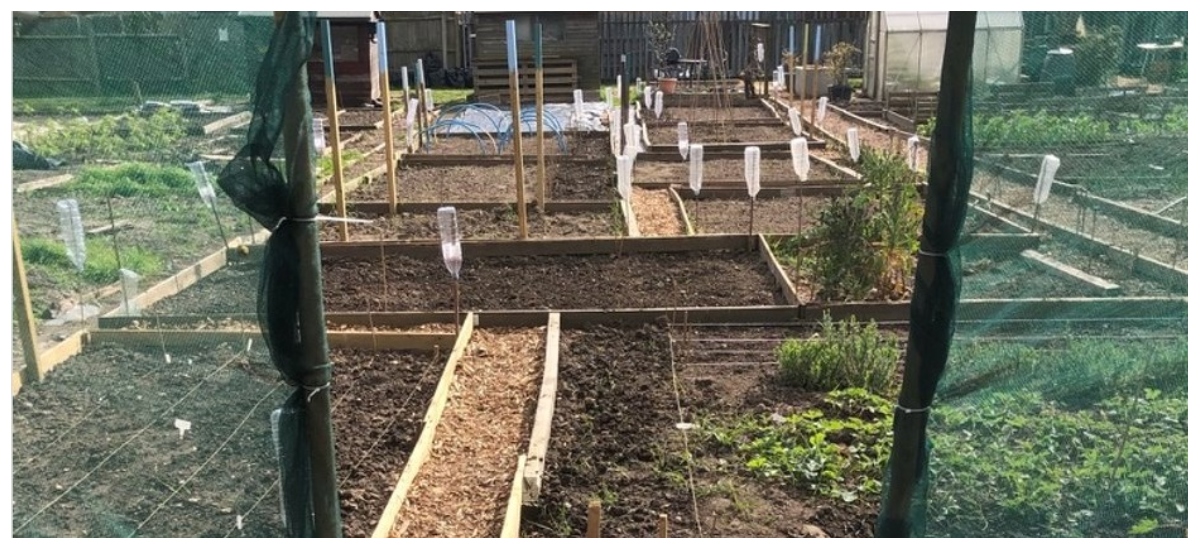
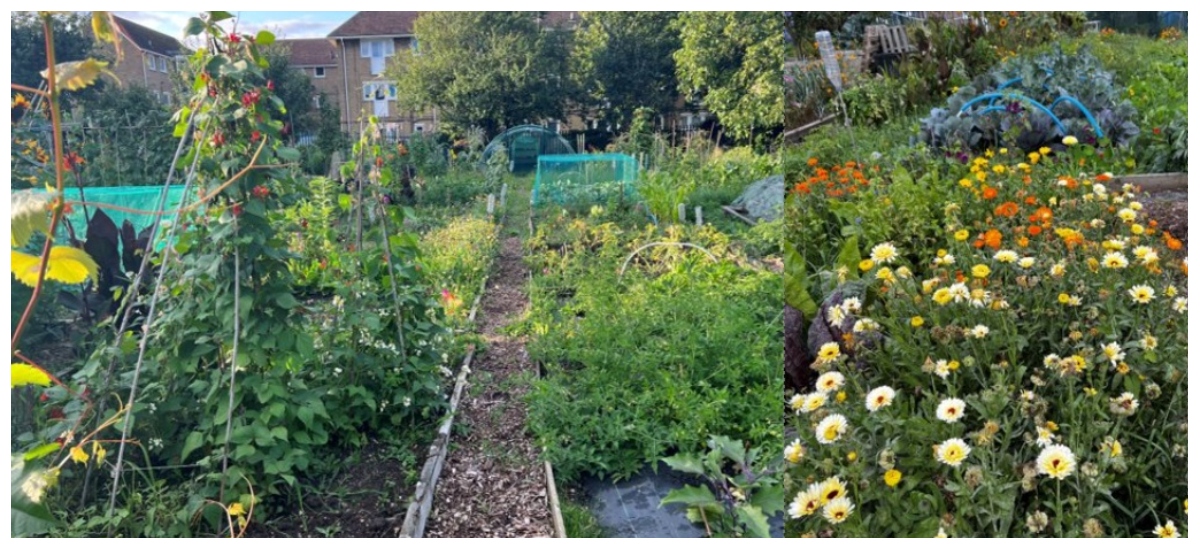
Create raised beds. Chris built mini beds using reclaimed timber and added bark pathways between them to create a practical and attractive space. For smaller gardens you could use planters or containers instead.
-
Add a polytunnel. A netted polytunnel is great way to grow tomatoes, beans and other climbing crops.
Soil Health
With organic growing, soil health is key. If your soil is well looked after and nutritious, it will be easy to grow. Here are Chris’s keys tips for improving your soil naturally.
Green manure
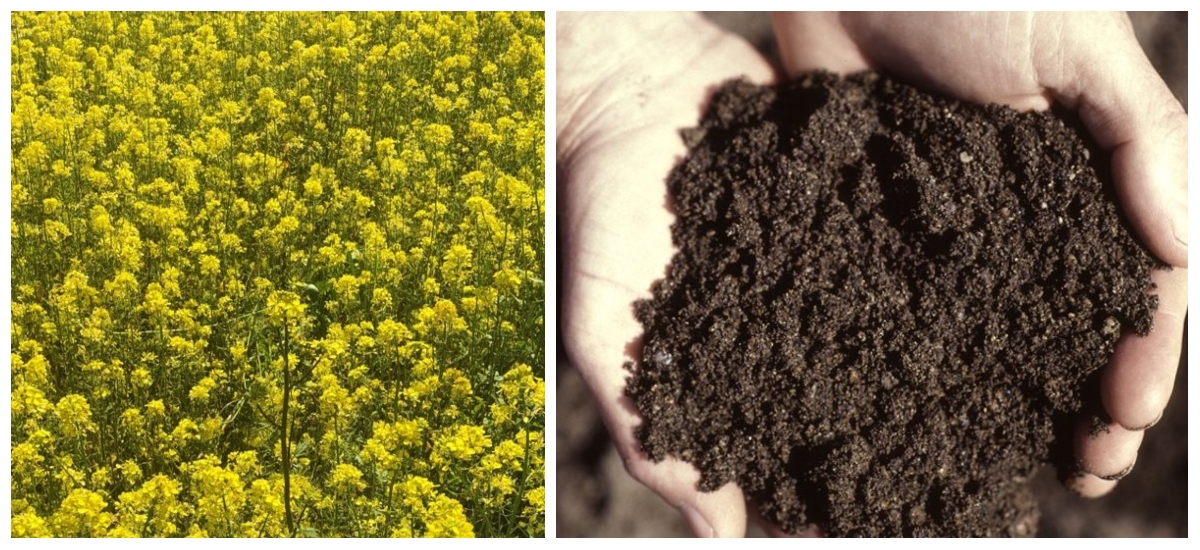
Use ‘green manure’ plants like mustard, or field beans, as natural ground cover for bare soil. Sow them nice and thick to protect the soil from wind and rain during the Winter months, then simply hoe off in Spring as soon as they start to flower.
Home-made compost
Chris uses three different types of compost bin on his allotment:
- Hot compost. Turn regularly to add air. Will break down in around 4 months.
- Cold compost. Leave to decompose naturally. Takes longer but produces a richer compost.
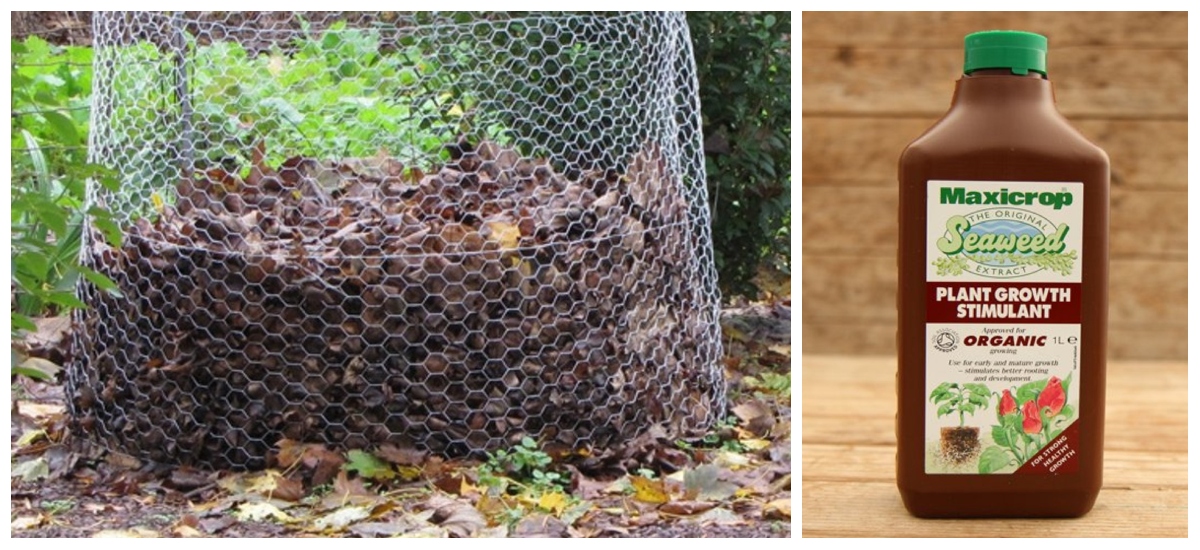
- Leaf mould – an organic essential! Fantastic as a mulch or sieved to make seed compost. Create your own leaf bin by placing chicken wire around wooden stakes. Add grass clippings for a nutritious mix that will break down quicker (50% brown leaves / 50% grass cuttings).
Be frugal with your home-made compost! Mulching has the biggest impact, as it locks moisture into the soil.
Horse manure
Chris swears by horse manure as one of the best organic fertilisers. It’s also a great compost accelerator and perfect for improving soil structure.
Seaweed – great for Kent clay soils
Seaweed meal is especially useful for Kent’s heavy clay soils. Chris recommends digging it into your soil in the Autumn, to help improve the condition ahead of planting in Spring. Seaweed extract is also really beneficial as a natural fertiliser. Use little and often, early in the growing season - it's a great tonic for growing stronger, more robust plants.
Companion planting
Organic gardening works with nature, not against it. Make use of the native wild plants that grow in your patch and plant to encourage pollinators and other insects.
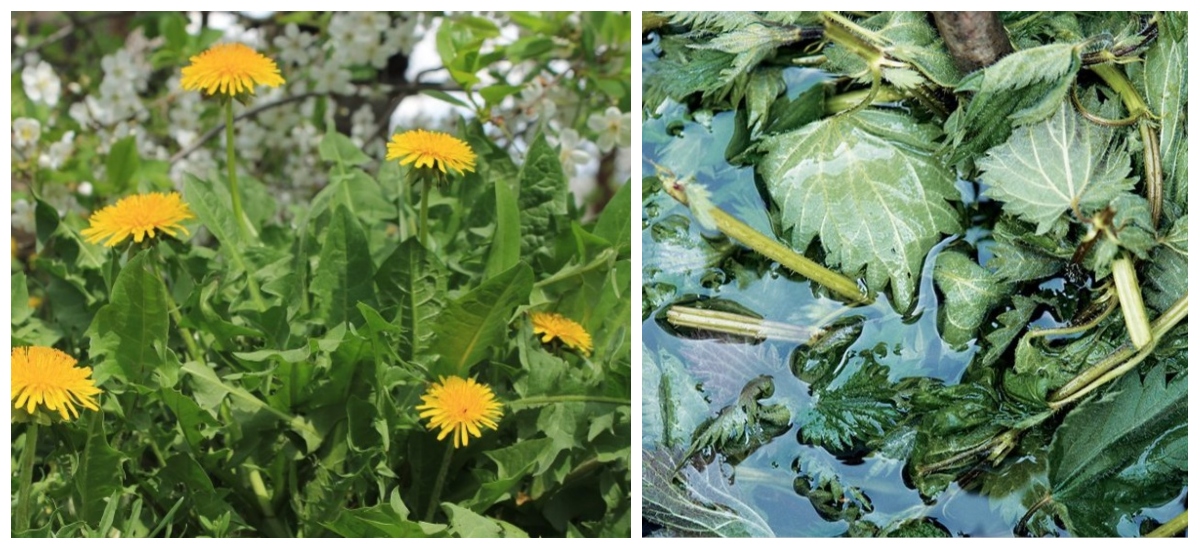
- Nettles. Often seen as a nuisance to gardeners, nettles are high in potassium, which is great for growing fruit and veg. Create nettle tea to water your plants, just make sure to leave plenty for the pollinators.
- Dandelions. A brilliant early food source for bees. You can contain them by deadheading before they go to seed.
- Pollinator borders. Not only do these look amazing and colourful, they will create a montage of food and flower to encourage wildlife into your plot. Plant dahlias, sunflowers and other perennials to attract bees and beneficial insects.
- Hardy annuals. Chris plants these in little drills to cover the soil and suppress weeds. He likes Cornflower and Calendula, also Nasturtiums which he plants next to Brassicas as defence against white cabbage fly.
Looking for organic gardening supplies in Kent?
Pop into your local Millbrook Garden Centre at Staplehurst or Gravesend for organic compost, seaweed feed, seeds, growing equipment and expert advice from our friendly team.
Read more about Chris Collins
Chris Collins has a CV most gardeners can only dream of - taking in two Royal Botanic Gardens, Westminster Abbey and the Blue Peter Garden. He is also Head of Organic Horticulture at Garden Organic. Follow Chris on Instagram @cmcollins_hort or Facebook @cmcollinshort - or visit www.gardenorganic.org.uk for more organic gardening tips. (All photos in this blog are copyright of Chris Collins.)
Where to next?